Introduction
Slewing bearings are critical components in heavy machinery like excavators, cranes, and solar trackers. However, unexpected failures can lead to costly downtime. Understanding why they fail and how to maintain them is essential for distributors and maintenance shops to ensure equipment reliability.
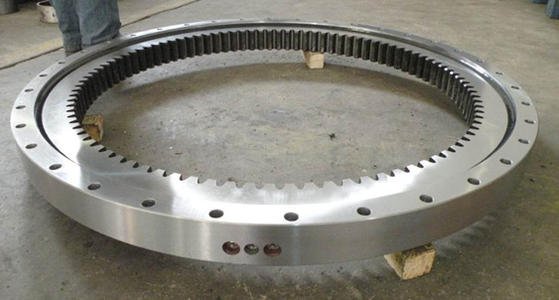
1. Inadequate Lubrication
The most common cause of failure is improper lubrication. Without enough grease, the friction between the raceway and the rollers increases, leading to “pitting” or surface fatigue.
- Pro Tip: Always use high-pressure extreme-wear grease and follow the recommended intervals.
2. Contamination (Seal Failure)
When seals are damaged or worn out, dust, water, and debris can enter the raceway. This acts as an abrasive, quickly destroying the hardened surface.
3. Overloading and Impact
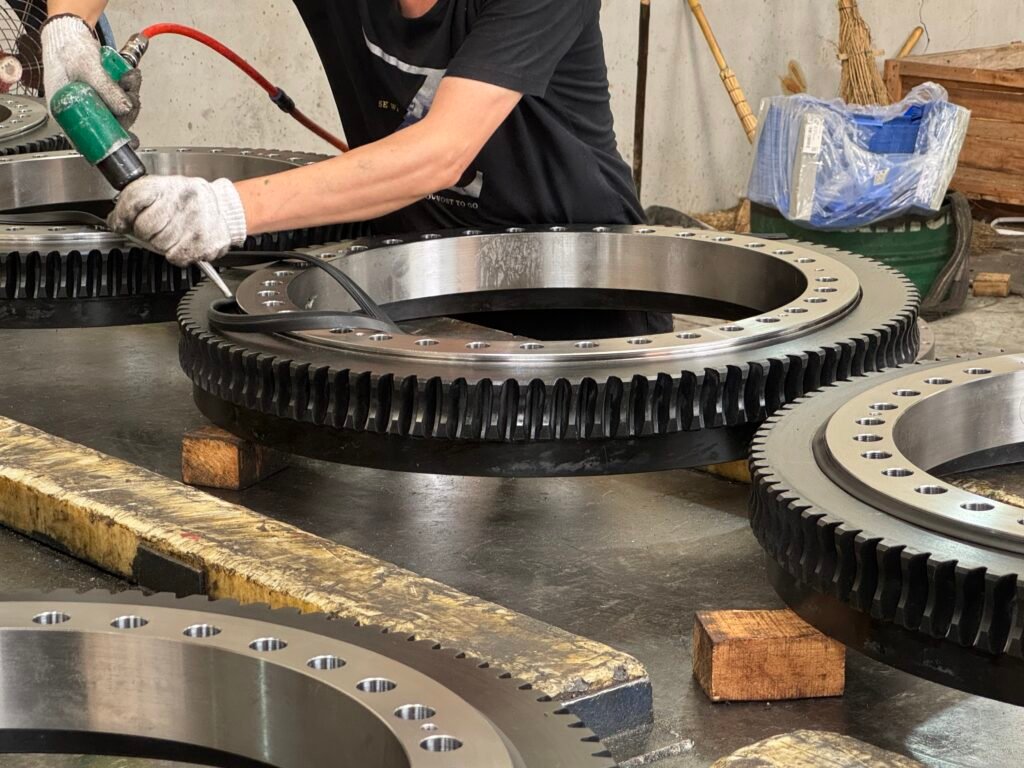
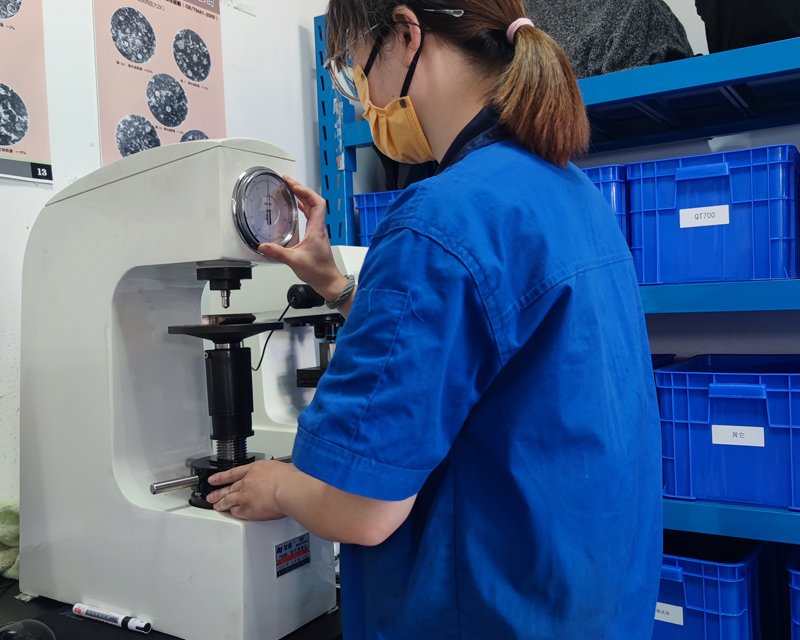
Exceeding the load capacity can cause the raceway to deform or crack. For aftermarket replacements, it is crucial to ensure the material (like 50Mn or 42CrMo) and hardening depth meet the original specifications.
4. Bolts Loosening
Vibration during operation can loosen the mounting bolts. If one bolt fails, it increases the stress on the others, leading to a catastrophic failure of the entire bearing assembly.
5. Normal Wear (Surface Fatigue)
Eventually, all bearings wear out. However, precision gear shaping and induction hardening (reaching HRC 55-62) can significantly extend the wear cycle.
Maintenance Schedule
| Application | Lubrication Interval |
| Heavy Duty (Excavators) | Every 100-200 working hours |
| Intermittent (Cranes) | Every 6 months |
| Static (Solar Trackers) | Once a year |
Conclusion
Preventive maintenance is much cheaper than replacing a failed bearing. As a professional manufacturer, we focus on providing high-quality replacements with superior hardening and precision to minimize your downtime.
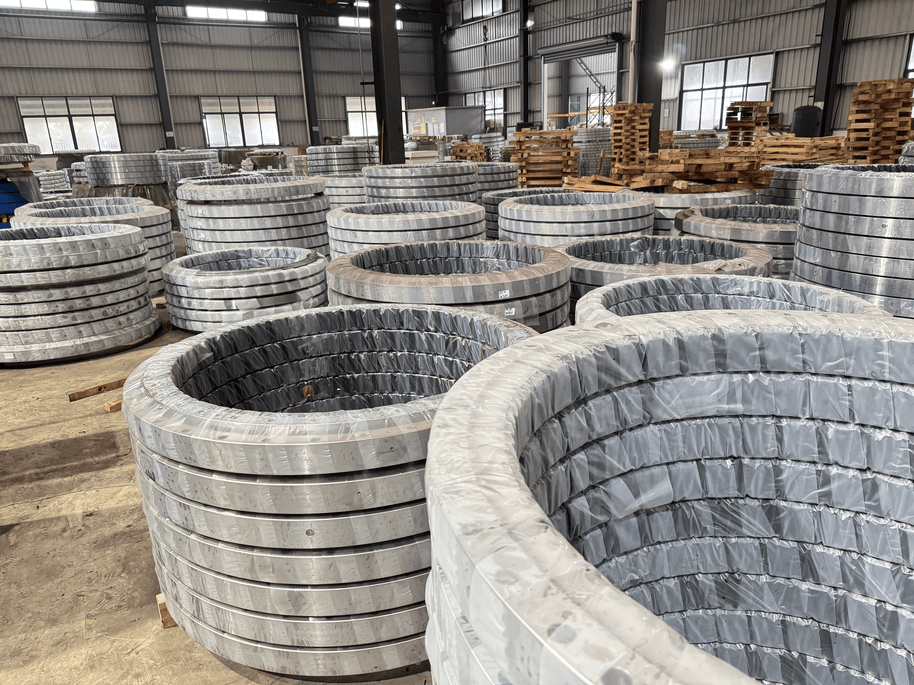
Need a durable replacement for your machinery? Contact our engineering team for a quote.
